Disclaimer:
The information on this website is for general guidance only and does not constitute financial or investment advice. Always do your own research and seek personalised advice from a qualified financial adviser or mortgage adviser before making financial decisions. All investments carry risk and past performance is not indicative of future results.
Key Takeaways
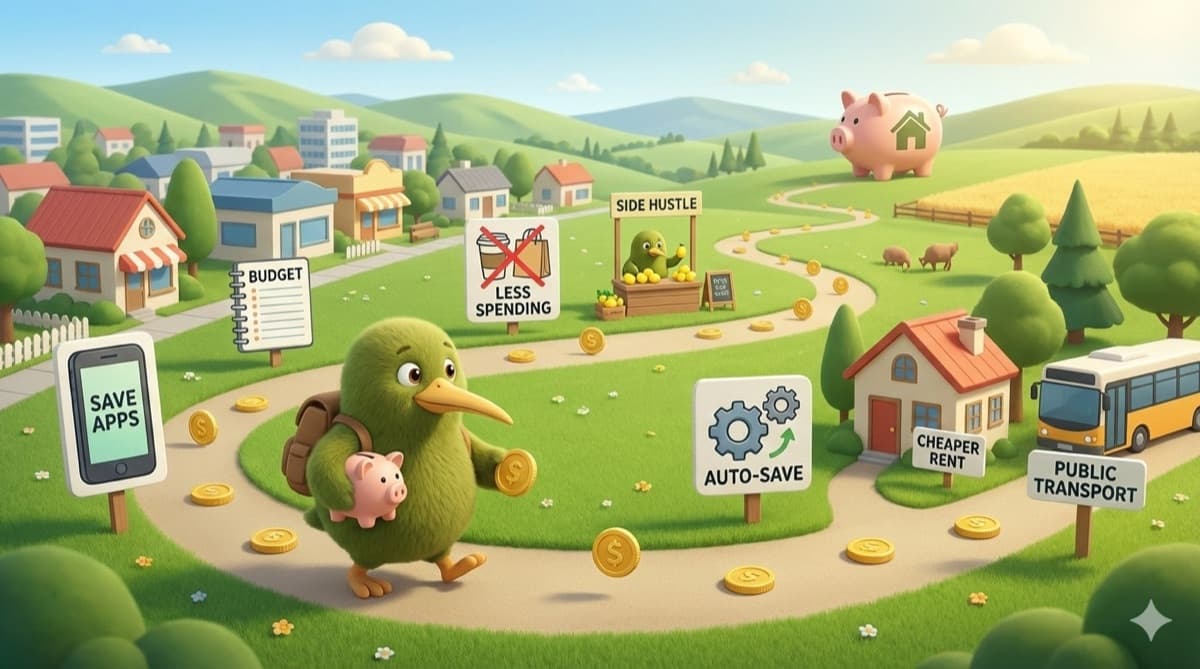
- Use apps and comparison tools to cut recurring bills.
- Create a detailed budget and track categories.
- Reduce discretionary spending with clear limits.
- Automate savings so money moves before you spend it.
- Consider short-term housing changes to save faster.
Living in a high-cost environment can be challenging, but with the right strategies you can still save money and thrive. In this blog we will explore some effective tips for saving money when the cost of living is high.
1. Use Websites and Apps To Help Save
One effective way to save money in a high-cost environment is to take advantage of cost-saving websites and apps. These tools can help you uncover hidden opportunities for savings by comparing prices, finding discounts, and discovering deals that may not be available elsewhere.
Recommended Apps:
- PowerSwitch: Compares electricity and gas prices from different providers in your area. By entering your postcode, you can choose the most cost-effective plan for your needs.
- Gaspy: Shows you the cost of fuel at different gas stations in your area, enabling you to find the cheapest local fuel prices.
- Grocer: Allows you to compare the price of items from your local supermarkets and create a shopping list to find the lowest prices.
2. Create a Detailed Budget
Categorising your expenses is an essential step in gaining a comprehensive understanding of your financial situation. It identifies areas where you are overspending and finds opportunities to cut back. This process allows you to make informed decisions about your spending habits and prioritise your savings goals effectively. For a complete framework, check out our guide on 7 steps to creating a monthly budget.
Budgeting Tools:
- Sorted.org.nz: Set up a budget and track your expenses in different categories. Also offers helpful resources and tools.
- PocketSmith: Automatically categorises your bank transactions, saving you time and effort. Provides reports to help you understand your spending patterns.
3. Reduce Unnecessary Spending
Establish a monthly limit for unnecessary spending activities such as dining out, entertainment, and unnecessary shopping.
Try cooking meals at home using budget-friendly ingredients rather than eating out. Explore free or low-cost entertainment options like visiting local parks, attending community events, or enjoying movie nights at home instead of expensive outings. Avoid impulse purchases by creating a shopping list and sticking to it when you go shopping.
By being conscious of your spending habits, you can significantly reduce unnecessary expenses and allocate more funds towards your savings.
4. Increase Income
In a high-cost environment, finding ways to increase your income can greatly contribute to your savings. Consider seeking a pay rise at your current job, or look for part-time opportunities that align with your skills or interests such as tutoring, freelance work, or food delivery. You could also consider selling used items on online marketplaces or organising a garage sale to generate extra funds for your deposit.
Need personalised guidance?
Chat with a First Home Buyers Club affiliated mortgage adviser - no obligation!
5. Set up Automatic Savings
Setting up automatic transfers from your main bank account to a trusted savings account can help you master the habit of saving money. This approach allows you to prioritise your savings goals and avoid unnecessary discretionary spending by keeping your savings out of reach, ultimately paving the way for a substantial down payment on your dream home.
6. Explore More Affordable Housing Alternatives
Consider a lower-priced rental to help you save money for your first home. This may be easier said than done, as finding affordable rentals in a high-cost environment can be challenging. However, making some short-term sacrifices can greatly benefit your long-term savings goals.
By cutting down on rent expenses, you can free up more funds to put towards your first home deposit and overall savings. Look for rentals in less expensive neighbourhoods or consider downsizing to a smaller space.
Another alternative to consider is temporarily sharing a flat with others as you work towards saving for your first home. This option not only helps to reduce your monthly housing costs, but it also allows you to split other expenses like utilities and groceries.
7. Use Public Transport
Public transportation is a practical and cost-effective alternative to driving, especially during economic challenges. By opting for public transport, you can save money on gas and eliminate the need for expensive parking.
Additionally, public transportation offers a range of benefits beyond cost savings. It provides an opportunity for you to relax, catch up on work, or engage in leisure activities during your commute. With free Wi-Fi available on many buses and trains, passengers can make productive use of their travel time.
Frequently Asked Questions
Unlock the Budget Planner
Join free to access all our first home buyer tools and calculators.
Create Free AccountAlready have an account? Sign in
Related Articles

A First Home Buyer's Guide to Real Estate Terms and Sale Methods in New Zealand
Essential guide to understanding real estate terms, sale methods, and property jargon for first-home buyers in New Zealand. Learn about auctions, deadline sales, and more.

Buying a Monolithic or Plaster Home in New Zealand: What First Home Buyers Should Know
Essential guide for first-home buyers considering monolithic or plaster homes in New Zealand. Learn about weathertightness, inspections, insurance, and legal protections.

How to Secure a New Build with a 5% Deposit
Learn how first-home buyers can secure a new build in Auckland with just 5% deposit using the First Home Loan scheme and KiwiSaver.

How to Supercharge Your First Home Deposit in New Zealand
Learn proven strategies to accelerate your savings and reach your deposit goal faster with KiwiSaver and smart saving techniques.