Disclaimer:
The information on this website is for general guidance only and does not constitute financial or investment advice. Always do your own research and seek personalised advice from a qualified financial adviser or mortgage adviser before making financial decisions. All investments carry risk and past performance is not indicative of future results.
Key Takeaways
- Building reports reveal defects before you commit.
- Use independent inspectors with relevant credentials.
- Report findings can support renegotiation or exit.
- Costs are small compared to repair risks.
- Include building report conditions in your offer.
Buying a home is a major milestone, and it comes with significant financial and emotional investment. While the excitement of finding a dream property can be overwhelming, it's vital that first home buyers in New Zealand approach each step with clear eyes - especially when it comes to due diligence.
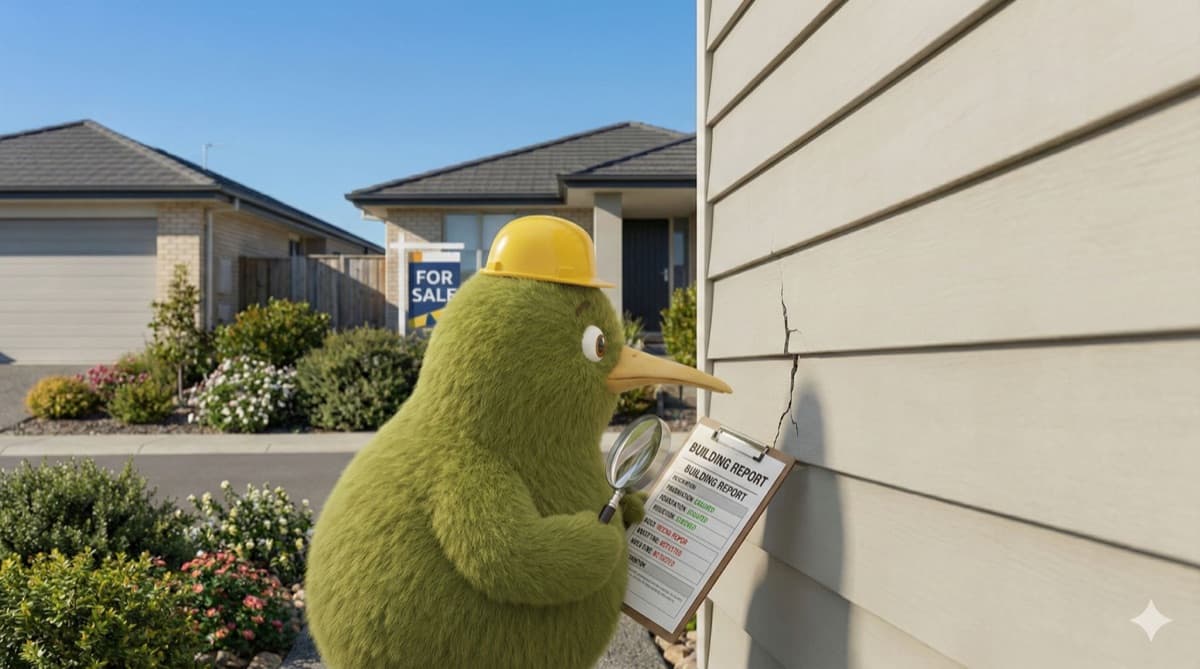
One of the most important checks you can undertake is ordering a professional building report before finalising a property purchase. Often referred to as a pre-purchase property inspection, a building report provides a detailed overview of the condition of the home, identifying existing issues and potential future concerns.
This independent assessment can protect you from buying a property that requires expensive repairs, or at the very least, give you the ability to renegotiate the price or walk away.
What Does a Building Report Include?
A standard building report typically covers the condition of the home's key structural elements and major systems. This includes the foundation and subfloor, roofing and cladding, and both interior and exterior walls. The inspector will also assess insulation and ventilation, plumbing and electrical systems, and importantly, moisture levels and signs of water ingress.
Some reports may also highlight deferred maintenance or poor workmanship from past renovations. For properties that are older or have been renovated, these findings can be especially critical.
In New Zealand, building inspections are usually carried out by qualified building inspectors or members of recognised industry associations such as the New Zealand Institute of Building Inspectors (NZIBI). It's important to ask about the inspector's qualifications and insurance before hiring them.
How Much Does a Building Report Cost?
The cost of a building report can range between $400 and $800 depending on the size of the property, location, and level of detail required. While this might seem like a significant cost - especially on top of legal fees, LIM reports, and moving costs - it's a small price to pay for peace of mind.
Many first home buyers in New Zealand overlook the value of professional inspections, hoping to save money upfront. However, hidden issues such as moisture ingress, non-consented alterations, or structural damage can end up costing tens of thousands of dollars to fix later.
When Should You Order a Building Report?
Ideally, a building report should be ordered as part of the conditional phase of your offer, alongside other due diligence tasks like reviewing the LIM report and checking the title. Your agreement should be conditional on the findings of this report, giving you the ability to renegotiate or withdraw if issues are discovered.
If you're unsure how to structure a conditional offer, our blog on Key Clauses in the ADLS/REINZ Agreement provides helpful guidance on what to include.
How to Act on the Findings
Once you've received the building report, take time to go through it carefully - preferably with your solicitor or mortgage adviser. Some findings may be minor or cosmetic, but others could impact the insurability, safety, or long-term value of the property.
Significant issues to watch for include rising damp or high moisture readings, non-compliant wiring or plumbing, rotting framing or compromised roofing, and unconsented alterations. These can have serious implications for the property's safety, insurability, and long-term value.
Depending on the results, you have several options. You may request the vendor to fix the issues prior to settlement, negotiate a price reduction to account for the repair costs, or walk away from the deal entirely if the risks are too significant.
It's also a good idea to seek specialist advice if the report raises concerns about areas like asbestos, cladding, or structural movement.
The Importance of Combining Reports
While a building report is crucial, it should be part of a broader approach to due diligence. We recommend combining it with a LIM report, a thorough review of the property title, and discussions with your mortgage adviser.
Each of these reports reveals a different layer of insight about the property, and together, they offer a comprehensive picture.
Confidence Through Clarity
For many first home buyers, fear of making a mistake is one of the biggest mental hurdles. Ordering a professional building report gives you clarity and empowers you to make decisions based on facts, not guesswork.
When you're spending hundreds of thousands - or even millions - on your first home, confidence is everything. Taking the time to get a building report could save you from buyer's remorse and financial strain, and help ensure your new home is truly a dream, not a disaster.
Frequently Asked Questions
Need personalised guidance?
Chat with a First Home Buyers Club affiliated mortgage adviser - no obligation!
Related Articles

A First Home Buyer's Guide to Real Estate Terms and Sale Methods in New Zealand
Essential guide to understanding real estate terms, sale methods, and property jargon for first-home buyers in New Zealand. Learn about auctions, deadline sales, and more.

Buying a Monolithic or Plaster Home in New Zealand: What First Home Buyers Should Know
Essential guide for first-home buyers considering monolithic or plaster homes in New Zealand. Learn about weathertightness, inspections, insurance, and legal protections.

How to Secure a New Build with a 5% Deposit
Learn how first-home buyers can secure a new build in Auckland with just 5% deposit using the First Home Loan scheme and KiwiSaver.

How to Supercharge Your First Home Deposit in New Zealand
Learn proven strategies to accelerate your savings and reach your deposit goal faster with KiwiSaver and smart saving techniques.